The Art of Foley Sound Services in Modern Audio Post-Production
Why Foley Still Matters in a World of Digital Sound Effects
Walk onto any working Foley stage in Los Angeles and the first thing you notice is the noise. Not a bad noise - a deliberate, crafted noise. A Foley artist stands in a pit filled with surfaces, gravel, wooden planks, and metal sheets. They hold a pair of coconut shells, or maybe a strip of leather, or a rustling jacket. They watch a screen and hit every footfall, every fabric brush, every door slam in perfect sync with the picture. This is the heart of Foley sound services, and it has not changed much in decades. The tools have evolved, but the craft remains stubbornly physical.
Some sound designers will tell you that a good Foley library can replace a live session. They are wrong. A library gives you a clean recording of a specific prop on a specific surface. It is sterile. It lacks the room tone, the slight variation in pressure, the accidental scrape that makes a sound feel alive. That is why Foley recording still commands respect in professional audio post-production. The difference between a shoe scuff from a library and one performed live by a Foley walker is the difference between a photograph and a memory.
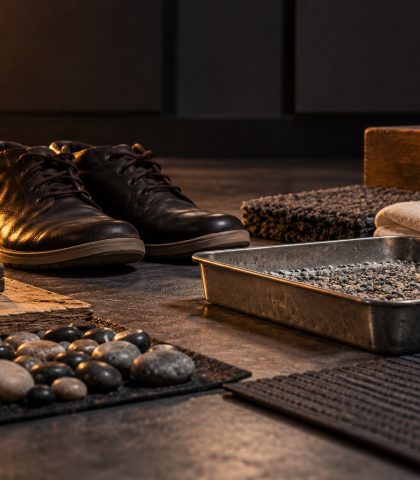
Foley sound services bridge the gap between what the microphone hears and what the audience feels. A Foley artist does not just reproduce sound. They translate the weight of a character's step, the tension in a door handle, the texture of a fabric. They work in rooms designed for this purpose, with a mixing console nearby and a Pro Tools session running in real time. The Foley pit is their instrument. It is a space where they can walk on hollow wood for a ship deck, or on gravel for a roadside, or on a padded surface for a hospital corridor. The Foley shoes they choose - hard-soled for a city street, soft-soled for indoor scenes - become part of the performance.
The Foley Stage: A Workshop for Sound
A typical Foley studio in Los Angeles is a large, treated room with a high ceiling. The floor is divided into sections. There is a concrete patch, a wooden platform, a gravel tray, and a carpeted area. Props line the walls: bottles, dishes, keys, chains, fabrics, leather, paper, metal pans. The Foley artist works with a sound designer who listens through the control room speakers and gives direction. The session is recorded straight into Pro Tools, often with multiple takes to capture different intensities.
One of the most common misconceptions about Foley is that it only covers footsteps. In reality, Foley encompasses almost every sound a human body or an object can make in a scene. Cloth movements, weapon draws, eating, drinking, punching, falling, breaking, closing, opening. The Foley walker might spend ten minutes perfecting the sound of a character putting on a leather jacket. The creak, the slide, the zipper - each element is performed separately and then layered. This is not something a Foley library can replicate. Libraries offer one version of a sound. Live Foley offers performance.
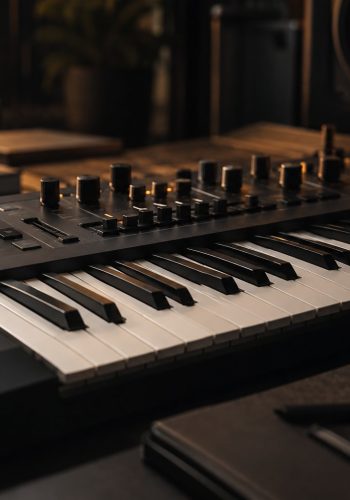
The relationship between the Foley artist and the mixing console is also important. During a session, the engineer sets levels and applies minimal EQ to keep the sound natural. The goal is not to process the Foley into something else. It is to capture it cleanly so it sits well with the dialogue and music in the final mix. If the Foley is too clean, it sounds fake. If it is too dirty, it clouds the track. The balance requires judgment.
Foley vs. ADR and Sound Effects
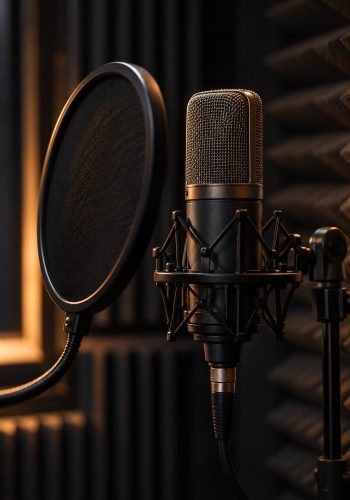
Audio post-production is a world of overlapping disciplines. ADR replaces or enhances dialogue recorded on set. Sound effects are often sourced from libraries or synthesized. Foley sits somewhere in between. It is a performance, like ADR, but it deals with physical sound rather than voice. A voiceover booth is designed for vocal clarity. A Foley stage is designed for texture and impact. They are different rooms, different tools, and different mindsets.
In a typical workflow, the sound designer builds a rough track using sound effects from a library. Then the Foley team comes in to replace or augment the sounds that feel generic. A library gunshot is fine for a background, but a hero character's gun needs a specific report, maybe with a shell casing hitting concrete. That casing sound is Foley. The Foley artist will drop a small metal object onto a concrete slab and record it. It takes two seconds, but it sells the reality of the scene.
Foley pads are another tool that often goes unnoticed. These are small, textured surfaces that the artist places in the pit to change the sound of a footstep or an object drop. A pad might be made of foam, cloth, or rubber. They allow the Foley walker to adjust the tone without changing the entire floor section. This level of control is what makes Foley sound services indispensable for projects that demand precise audio storytelling.
Why Los Angeles Remains a Hub for Foley
Los Angeles has a long history of Foley work, dating back to the early days of radio and film. The city still hosts some of the best Foley stages in the world. The concentration of post-production houses, sound designers, and experienced Foley artists means that a production can book a stage, bring in a specialist, and get a polished result in a single session. The climate also plays a role. A dry, warm room is easier to control acoustically than a humid one. Props do not warp as quickly, and the consistency of the recording environment improves.
But the real reason Los Angeles dominates Foley is the talent pool. A skilled Foley artist can make a sound feel heavy or light, fast or slow, aggressive or gentle. They listen to the director's notes and the sound designer's cues, and they adjust their performance in real time. This is not a skill that can be automated or replaced by a library. It is physical, intuitive, and deeply tied to the rhythm of the picture.
A Day in the Life of a Foley Artist
A typical session starts with a spotting session. The sound designer and the Foley artist watch the film or commercial and mark every sound that needs to be built. They decide which sounds will be performed live and which will come from the Foley library or sound effects. Then the artist prepares the props. If a scene involves a character cooking, the artist will gather pans, utensils, water, and vegetables. They will rehearse the sequence to match the timing of the edit.
Once recording begins, the artist works through the scene in sections. The sound designer listens and asks for adjustments. "Softer on the pan," or "More weight on the footsteps." The artist repeats the action until it feels right. After the session, the editor comps the best takes and syncs them to the picture. The Foley is then mixed with dialogue, music, and other effects in the final mix.
One of the most satisfying moments in Foley work is when a sound that took ten takes to perfect plays in the final mix and the director does not notice it. That is the goal. Foley should never draw attention to itself. It should feel inevitable, as if the sound was always there.
Practical Considerations for Producers
If you are producing a commercial, trailer, or short film, and you are considering Foley sound services, here are a few things to keep in mind:
- Book the stage early. Good Foley stages in Los Angeles get booked weeks in advance, especially during peak production seasons.
- Bring a clear spotting list. The more specific you are about which sounds need live performance, the faster the session will go.
- Budget for at least one full day of recording for a 30-second spot with complex sound design. Simple spots can be done in half a day.
- Allow the Foley artist to experiment. Sometimes the best sound comes from an unexpected prop or technique.
- Trust the sound designer. They know how the Foley will sit in the mix and can guide the session efficiently.
Foley is not a luxury. It is a tool for making your project sound grounded and real. Audiences may not know what Foley is, but they feel it when it is missing.
The Future of Foley
Digital tools continue to evolve, but Foley remains a staple of serious audio post-production. Some sound designers are experimenting with hybrid workflows, using Foley as a base layer and augmenting it with synthesized textures or processed recordings. Others prefer to keep Foley pure and minimal. Both approaches are valid. The key is that Foley sound services provide a human element that no algorithm can replicate. The slight inconsistency in a footstep, the rustle of a sleeve, the creak of a floorboard - these are the sounds that tell the audience that the world on screen is real.
In the end, Foley is about listening. Not just to the sound, but to the story. A good Foley artist hears what the scene needs and delivers it with their hands, their feet, and their experience. That is why, even in a city full of digital tools and massive sound libraries, the Foley stage remains one of the most important rooms in the building.